You made it!
Welcome to my holistic wellness blog, where spirituality, herbal healing, and natural self-care come together. Explore posts on medicinal herbs, mindful practices, energy balance, and conscious living designed to support your body, mind, and spirit. Each article is written to guide you toward inner harmony, spiritual growth, and a deeper connection with nature. Blessed to have you<3
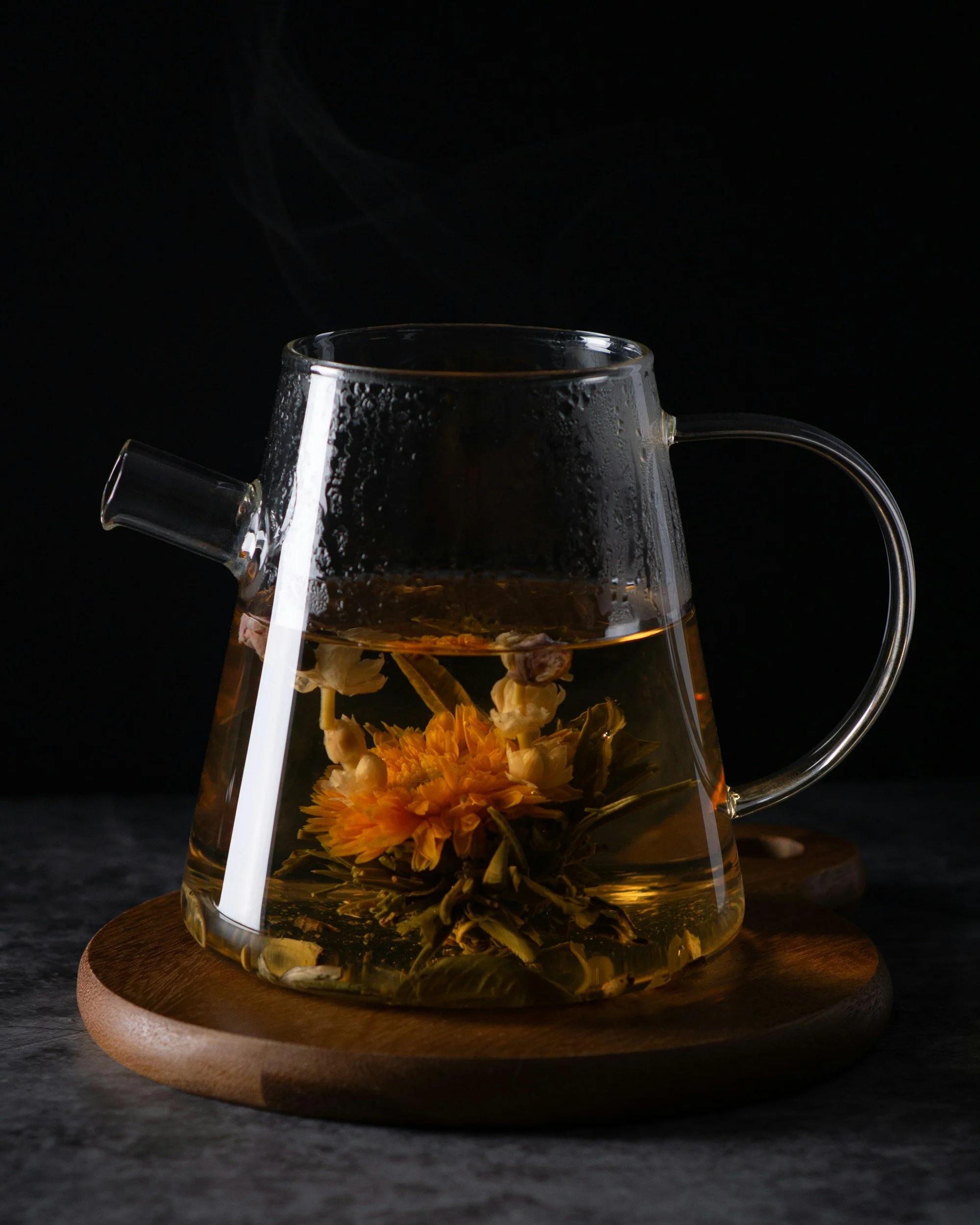
Natural Cold and Flu Remedies: Herbs, Teas, and Home Care Tips
Cold and flu season has a way of slowing us down, reminding us to listen more closely to our bodies. When congestion sets in, energy dips, or that familiar scratchy throat appears, reaching for gentle, natural support can feel comforting and empowering. For generations, herbs, nourishing foods, and simple home remedies have been used to support the body through seasonal illness—not to force healing, but to encourage it. Let’s explore natural remedies for common cold and flu symptoms that help support immunity, ease discomfort, and bring a little extra care into your healing routine.
Cold and flu symptoms can manifest differently in each person. Below are common seasonal ailments and natural remedies that have been traditionally used to support the body.
Sore Throat/Tonsillitis
Natural remedies for support:
lemon – Gargle with 1 tbsp of lemon juice, neat or diluted in warm water.
Echinacea – Take up to 1/2 tsp of tincture with water twice a day.
Colds
Natural remedies for support :
Cinnamon + lemon: – Take lemon juice from 1 freshly squeezed lemon. Add 1/2 tsp of cinnamon powder, and 1tsp of honey. Drink either diluted in warm water or neat.
Ginger – Infuse 1g(2-3 slices) of fresh ginger in 3/4 cup of water for 5 minutes. Taking up to 750 ml a day is recommended.
Elderberry + Lemon – 1 tsp of elderberry extract(or tincture) up to three times a day, adding juice from half of a freshly squeezed lemon.
Fevers
Natural remedies for support:
Yarrow + meadowsweet + Cayenne – Using 1 tsp of yarrow and meadowsweet, a pinch of cayenne, and 3/4 cup of water, make an infusion. Brew for five minutes. Take up to 600 ml a day(2 1/3 cups).
⚠️DO NOT take yarrow during pregnancy
Wormwood+ gentian – 10 drops of either(tincture) with water three times a day.
Onion – Bake a large onion at 400 F degrees(200 C) for 40 minutes. Take out and mix the juice with equal amounts honey. Take 1-2 tsp an hour, up to 8 times a day.
Gentle Reminder
Always listen to your body, and seek guidance from a qualified healthcare professional if symptoms persist or worsen. Natural remedies are meant to support the body—not replace medical care when it’s needed.
Which remedy do you reach for first during the cold season?
Save this post for later or share it with someone who might need it.
Exploring the mind-body connection
How Your Emotions Shape Your Physical Health
Have you ever noticed that stress settles in your shoulders, anxiety shows up in your stomach, or grief feels heavy in your chest?
Holistic wellness recognizes that the body doesn’t experience life separately from the mind. Our thoughts, emotions, and lived experiences continuously communicate with our physical body, shaping how we feel, heal, and function.
Understanding this connection can be a powerful first step toward deeper healing.
The mind–body connection refers to the integrated system where emotional experiences influence physical responses.
When emotions go unprocessed or stress becomes chronic, the body often finds ways to express what the mind hasn’t resolved. I know that when I am stressed, I get headaches and tend to have a difficult time staying asleep. When I’m very anxious, my digestive system acts up.
Listening to the Body as a Healing Practice
Listening to your body doesn’t mean overanalyzing every sensation. It means developing awareness and responding gently.
Simple ways to begin:
Pausing to notice where you feel off. What do you feel? What is your body telling you?
Asking yourself, “What do I need right now?”
Observing patterns between emotions and symptoms. What are you thinking about, and what are you feeling that could be causing your body to react this way?
Allowing rest without guilt. We are humans before we are anything. Before we are employees, parents, students, etc. We are complex systems that innately respond to external and internal triggers. Try to remember this when you are feeling burnt out, exhausted, or drained. Allow your body to stop, and take time to get regulated before triggering any unwanted symptoms. Rest is crucial to bodily functions and good mental, emotional, and physical health.
Practice builds trust between you and your body—a foundation for long-term wellness.
Beginner’s Guide to Holistic Wellness: How to Heal Mind, Body & Spirit Naturally
Learn what holistic wellness truly means and how to begin healing naturally through mind, body, and spirit alignment.
What is holistic wellness? That's a great question. Holistic wellness is an approach to wellness that addresses the mental, social, physical, emotional, and spiritual components of health altogether.
Why holistic healing works: Taking a holistic approach to Wellness can help immensely. The holistic approach does not neglect parts of oneself that need healing and work. It looks at a person as a whole, and shows us that these parts of us are more connected than we think. We can not just work on one part of ourselves to heal; we must work on the entirety of our body and soul.
How to begin gently: I believe truly that the holistic approach is worth the effort. To start might seem daunting, with so many terms and paths along the journey of growth. Here are a few gentle ideas to help you start this journey.
Acceptance and assessment.
Accept that you have work to do, and assess what that work could be. Are you burned out? Anxious? Depressed? Are you physically not feeling your best? What aspects of yourself can you work on to help you feel healthier and more whole? What can you work on first? What might be a larger issue to work on?
Believe and commit.
Believe that you can heal. Believe in the power that you hold in yourself to make the adjustments that can change your life path. Commit to the idea of putting your whole self first, in all aspects. Spiritually, physically, emotionally, etc.
Community
Find communities that align with your goals. Do you want to learn more about self-love? Join spaces where people are also on their journey of self-love. Community is so important and shouldn’t be overlooked. We are humans who innately seek out connection with other people. This makes it easier for you to get resources, support, and tips and tricks from others.
This gentle approach to holistic healing and wellness helps build awareness, self-trust, and long-term well-being, one mindful step at a time. If you’re new to this approach, start small—perhaps by exploring one gentle habit, herb, or mindful moment—and allow your wellness journey to unfold at your own pace.
You are loved,
-HTW

From Kitchen to Medicine Cabinet: The Benefits of Everyday Herbs
Several culinary herbs boast impressive medicinal benefits. Here are a few well-known herbs and their uses(in and out of the kitchen).
Garlic~ Can reduce cholesterol and lower blood pressure. Garlic is also good for infections of the digestive system. It can be a good treatment for fungal infections.
Thyme~ Treats fungal infections well, as well as throat and chest infections. Thyme can be prescribed to treat asthma, as Thyme’s qualities can balance out the sedative effects of other herbs used to treat asthma. It also has useful external effects on bites, stings, etc.
Basil~ Sweet basil acts on the digestive and nervous systems. It can ease stomach cramps, colic, and indigestion. Additionally, it can be used to relieve nausea and vomiting.
Ginger~ Ginger aids in the absorption of iron, which can help with anemia. It additionally aids in the absorption of nutrients in the digestive tract. Ginger can relieve nausea and vomiting.
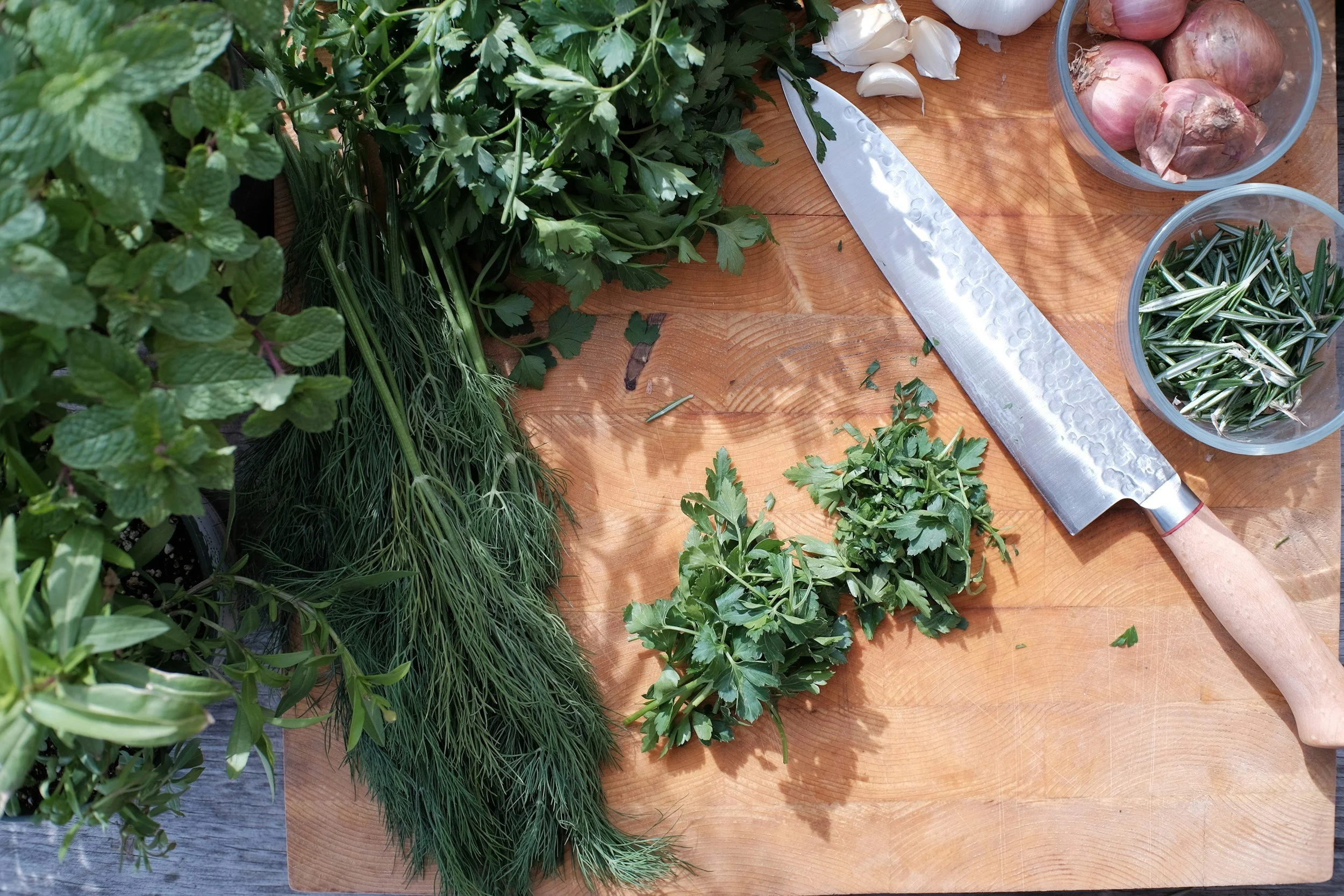
Herbs and the body
Herbologists can classify herbs by how they act within our bodies. Here are some common terms and their functions.
Antiseptics: disinfect the skin
Emollients: reduce redness, itchiness, swelling
Astringents: Tighten the skin
Depuratives: Removal of waste products
vulnerary: Aids in the healing of wounds
Nervines: Support and strengthen the nervous system
Sedatives: reduce nervous activity
Stimulants: Increase nervous activity
Laxatives: stimulate bowel movement
These are just a few of the terms I thought would be useful for others!
Some herbs are gentle enough for daily use, while others are stronger and best used short-term or with medical guidance.
Herbs don’t force the body to heal—they support the body’s innate intelligence, working gently with natural systems rather than overriding them.
Understanding herbal actions helps you choose medicinal herbs that support your body’s natural needs.
Feel free to fill out the optional Questionnaire below!! It will improve website content and quality.<3